
Why Does Silver Tarnish?
Understanding Silver Tarnish
If you've noticed that your silver items have developed a dull or darkened patina, you're observing a common phenomenon known as tarnish. Tarnishing is a natural process that affects Sterling silver over time and it's important to understand that this is perfectly normal fortunately and is purely on the surface so a quick gentle polish should easily restore your piece to its original radiance.
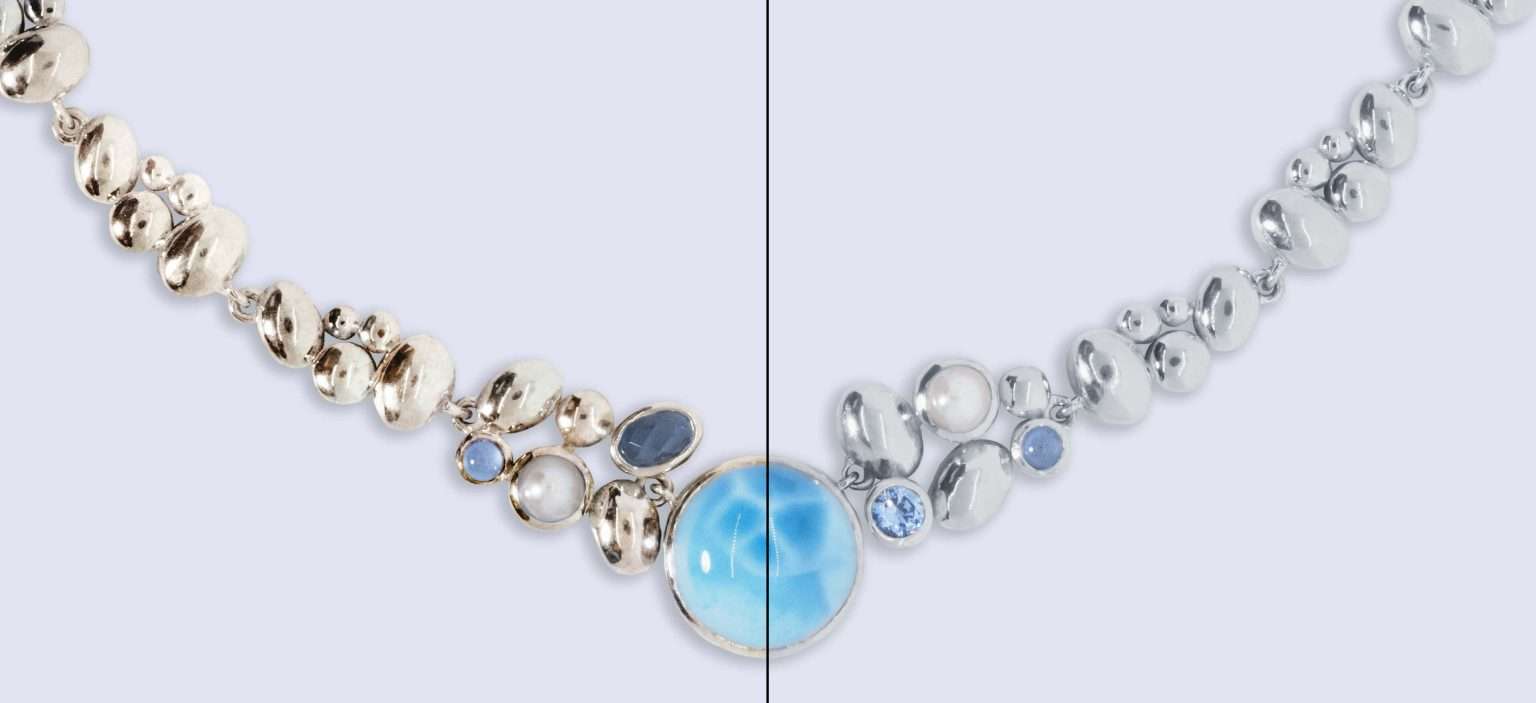
What is Tarnish?
Sterling silver is a authentic precious metal, which means it naturally interacts with the environment around it. If you notice tarnishing, please know this isn't due to poor quality or anything you did wrong! Tarnishing happens when silver encounters sulfur or chlorine—two elements most of us interact with every day without even knowing it. From sea air and tap water to everyday luxuries like perfumes, hand soaps, and body lotions, exposure is almost impossible to avoid entirely. The good news? Tarnish is strictly on the surface and if caught early, is easily lifted with a soft polishing cloth to bring back that rich, eye-catching shine.
Why is My Sterling Silver Turning Black
The darkening of sterling silver occurs when the metal interacts with sulfur or chlorine, creating a
delicate surface layer called silver sulfide. This reaction is influenced by everyday ambient factors like
humidity, temperature, and atmospheric exposure. Sulfur exists silently in ambient air pollution, wool,
latex, and common skincare formulas—including active anti-aging creams, daily sunscreens, sulfates, and
natural oils. Meanwhile, chlorine-containing compounds found in tap water, swimming pools, household
cleaners, and salt-dense ocean breezes create an active environment for rapid surface haze.
Equally important is your own individual body chemistry. Silver is naturally sensitive to acidic
environments, which accelerate surface oxidation. Natural oils and sweat—influenced by daily factors like
diet, hydration, lifestyle, and medications—constantly alter your skin’s pH balance. This is why silver may
tarnish quickly on one individual while staying brilliant on another. It can also explain why treasured pieces you have had for years change for no apprent reason.
The Role of Copper in Sterling Silver
An additional factor lies in the alloy itself. Because fine silver is too soft for everyday wear, authentic
Sterling Silver (.925) is crafted with 92.5% pure silver and 7.5% copper for lifetime strength. However,
copper is particularly reactive to everyday beauty products: the alcohol in perfumes and the fatty acids in
lotions act as direct catalysts that speed up oxidation. When these compounds interact with the copper
alloy, they can turn the metal dark or leave a temporary greenish tint on the skin. Far from being a sign of
low quality or base-metal plating, this is a natural physical property of genuine sterling silver—easily
washed away from the skin and lifted from your jewelry with a soft polishing cloth.
Additional information: Can Sterling Silver Turn My Finger Green?
Tips to Keep your Larimar Jewelry Tarnish Free
Because tarnishing is strictly a surface reaction, it never damages the underlying metal. A quick, gentle buff with a soft silver polishing cloth should be enough to remove the dark layer and reveal your piece’s radiant, original shine.
Why is this? Well, you want to limit exposing your silver to anything that could potentially contain sulfur or chlorine compounds such as lotions, perfumes, hairspray, skincare products, Sunscreen etc.
When you return home your jewelry should be the first thing you take off to reduce the risk of it coming into contact with any chemicals that may be in your daily cleaning regime or nighttime skincare routine.
Following this simple principle, will significantly help to minimise the chance that your silver jewelry comes into accidental contact with chemicals from your everyday routine.
You will not be surprised to hear that Sweat, can be salty and acidic, but you may not expect that to be quite so tough on your precious metals.
And it’s not just gym sessions. Any activity that gets you sweaty—whether it’s a vigorous hike or a yoga class, can potentially create sweat that if left on the surface of your jewelry will eventually lead to tarnishing.
So, before you get ready to pump some iron or soak up the sun, take a moment to remove your bling.
Remember, the “no sweat” rule is all about preserving the shine by preventing exposure to any acidic moisture.
The single most effective habit for protecting fine sterling silver is giving each piece a gentle wipe-down at the end of the day. Through daily wear, jewelry accumulates invisible micro-layers of perfumes, cosmetics, skin oils, and ambient moisture. Leaving these elements on the surface allows them to act as active catalysts, accelerating tarnishing while your piece is tucked away in storage. A quick, routine pass with a soft polishing or microfiber cloth strips away these lingering compounds, ensuring your silver stays radiant between wears.
Once you have wiped away surface chemicals and skin oils, preserving your silver relies on shielding it from its environment. The absolute most crucial step is storing your jewelry in an airtight pouch or zip-seal bag. Eliminating airflow prevents oxygen, humidity, and atmospheric sulfur from settling on the metal and oxidizing it while stored.
Equally essential is individual separation. Always store each piece separately in its own soft bag or box compartment. This protects fine silver from surface scratches caused by other pieces and completely eliminates the frustration of tangled chains.
To maximize your defense, add an anti-tarnish strip, a silica packet, or a piece of natural chalk into your storage container to continuously absorb moisture and airborne pollutants, ensuring your silver stays radiant and ready for your next wear.
Additional information: Storing Silver Jewelry
- Avoid Chemicals: It is hard to overstate the importance of not letting your silver come into contact with reactive agents. Most silver Jewelry is exposed unknowingly, so it is important to wipe those agents off at the end of the day so your jewelry isnt stored with them in place slowly reacting over days and weeks.
- Travel Smart: When you’re on the go, consider a travel jewelry case to keep your pieces safe and organized. It’ll prevent tangles and damage.
- Know Your Jewelry: Different materials require different care. Pearls, opals, and Larimar necklaces, for example, will need different cleaners than Gold and Diamond Jewelry
Is your silver Tarnished? How to clean Sterling Silver Larimar Jewelry